The tariff dispute in the United States has taken a significant turn. From February 24, the government will stop collecting tariffs that were recently declared unlawful.
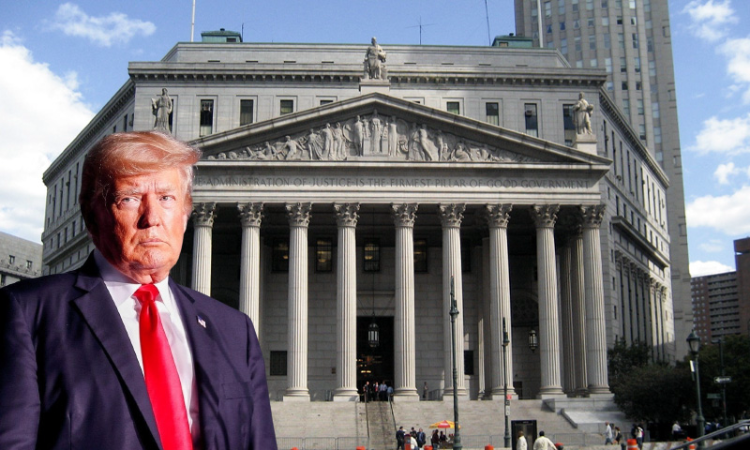
U.S. Customs and Border Protection (CBP) confirmed that it will deactivate all tariff codes linked to former President Donald Trump’s orders under the International Emergency Economic Powers Act (IEEPA). The move follows a ruling by the United States Supreme Court, which invalidated the legal basis for those duties
However, officials clarified that the suspension applies only to tariffs imposed under IEEPA. Other trade measures introduced during the Trump administration — including those under Section 232 (national security) and Section 301 (unfair trade practices) — will remain in force.
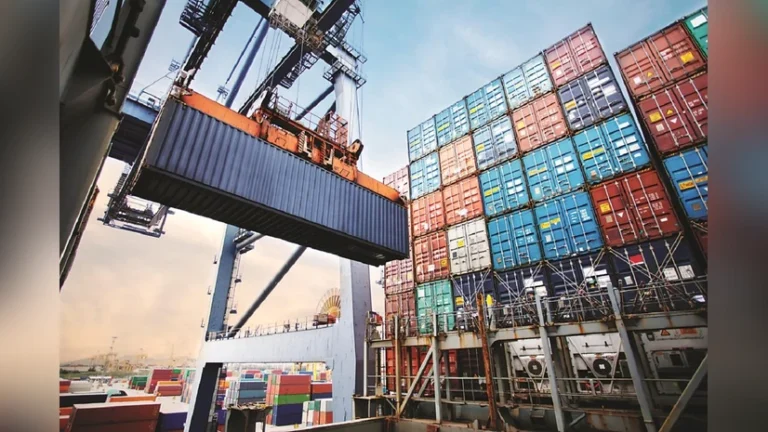
Notably, tariff collections reportedly continued at ports for several days after the Court’s decision. CBP has not explained the delay, nor has it provided clarity on whether importers will receive refunds for duties already collected.
According to reporting by Reuters, IEEPA-based tariffs generated more than $175 billion in revenue for the U.S. Treasury. Economic estimates suggest these measures were bringing in over $500 million per day at their peak.
With the suspension set to take effect, attention now shifts to potential refund obligations and the broader direction of U.S. trade policy. While the immediate collection will stop, the larger debate over tariffs and executive authority is far from over.
About the Author